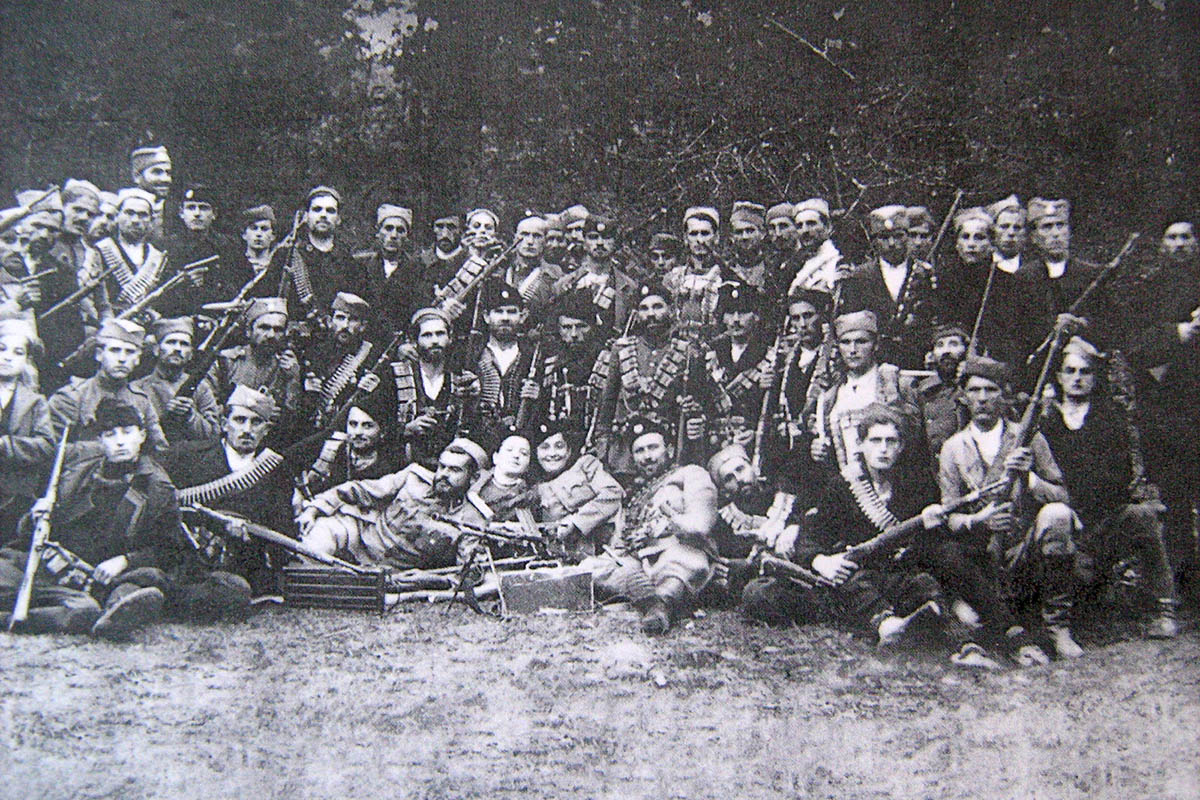
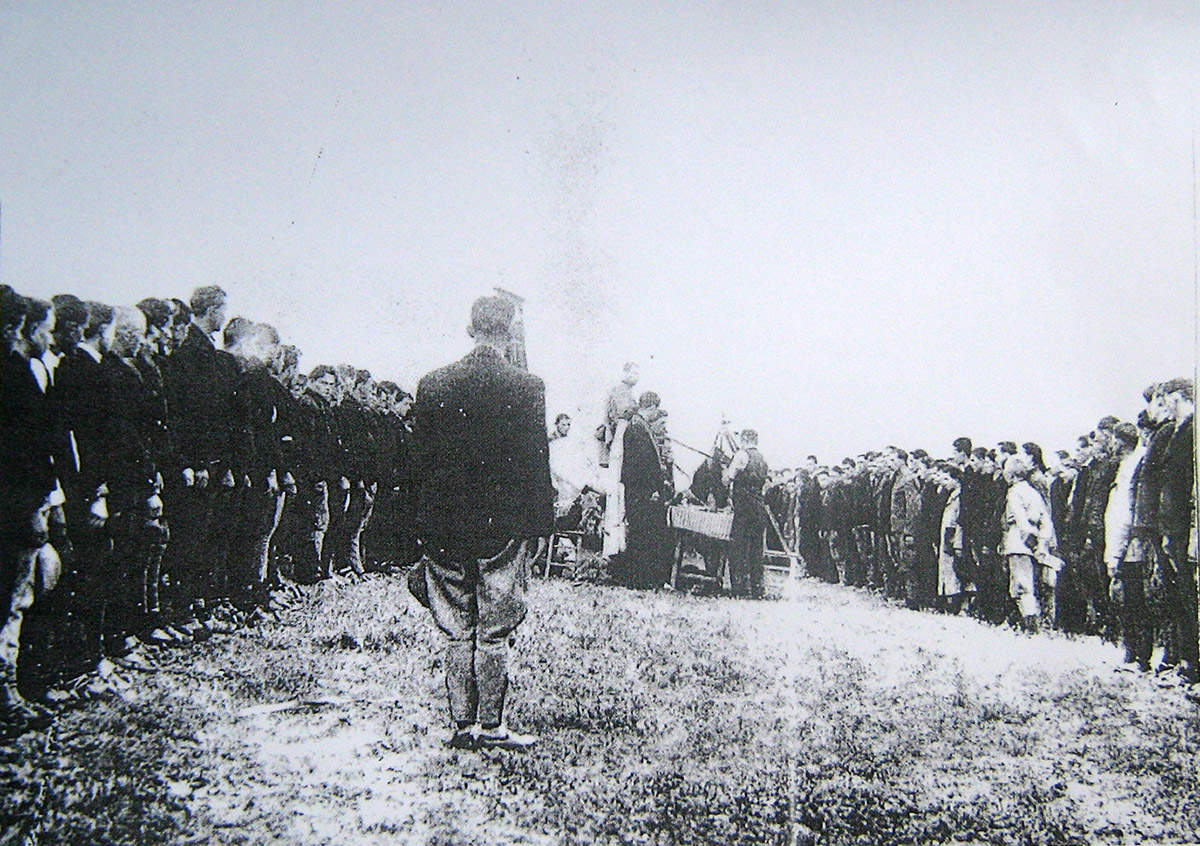
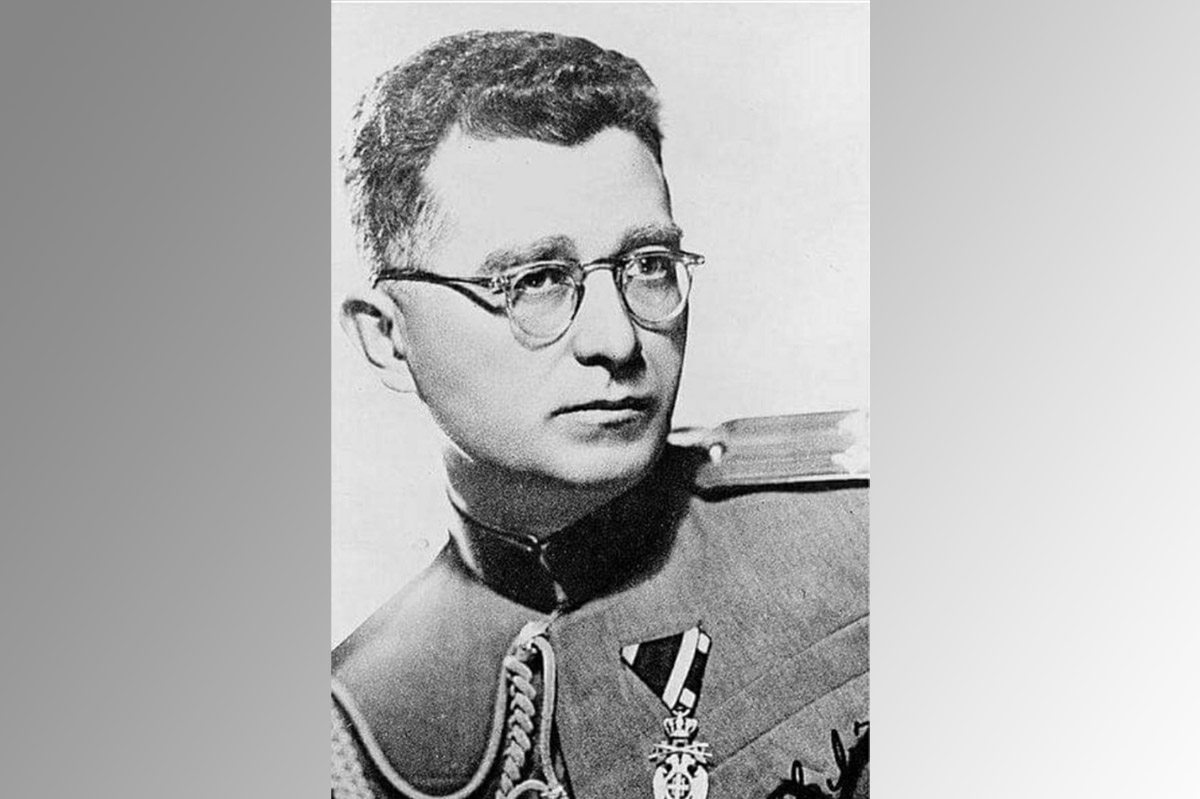
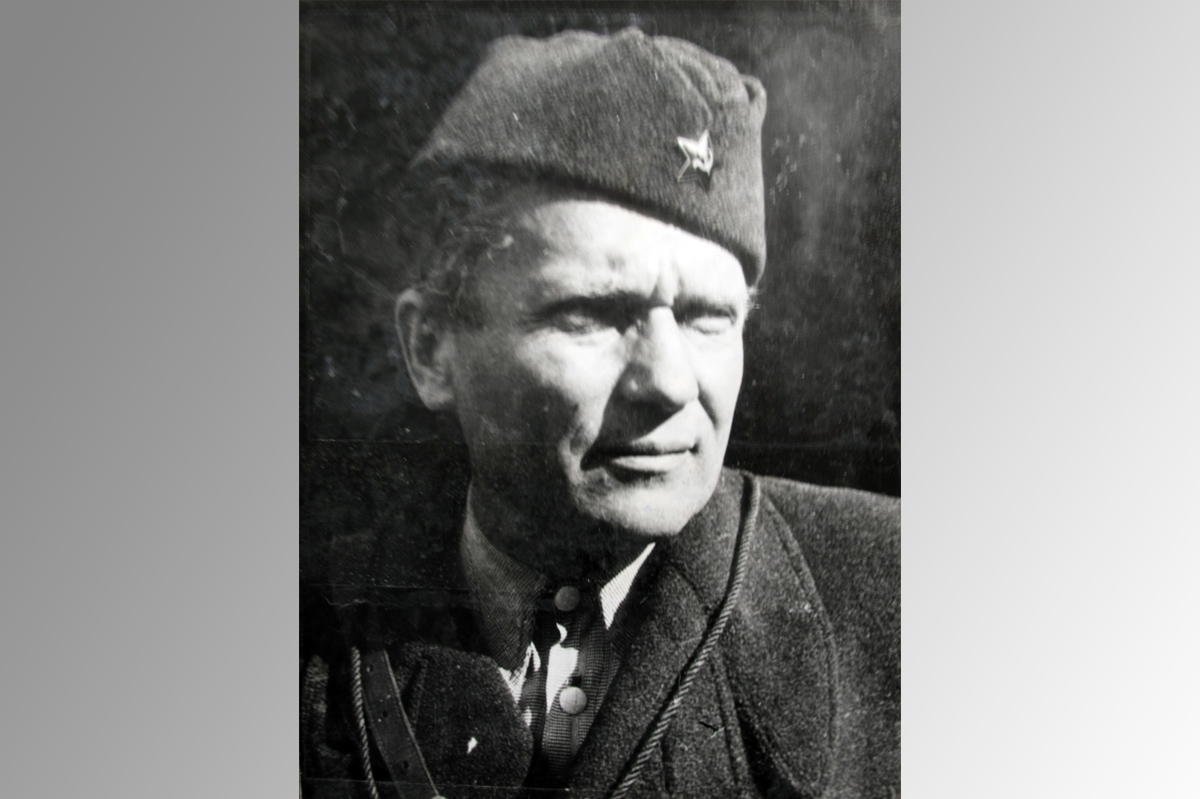
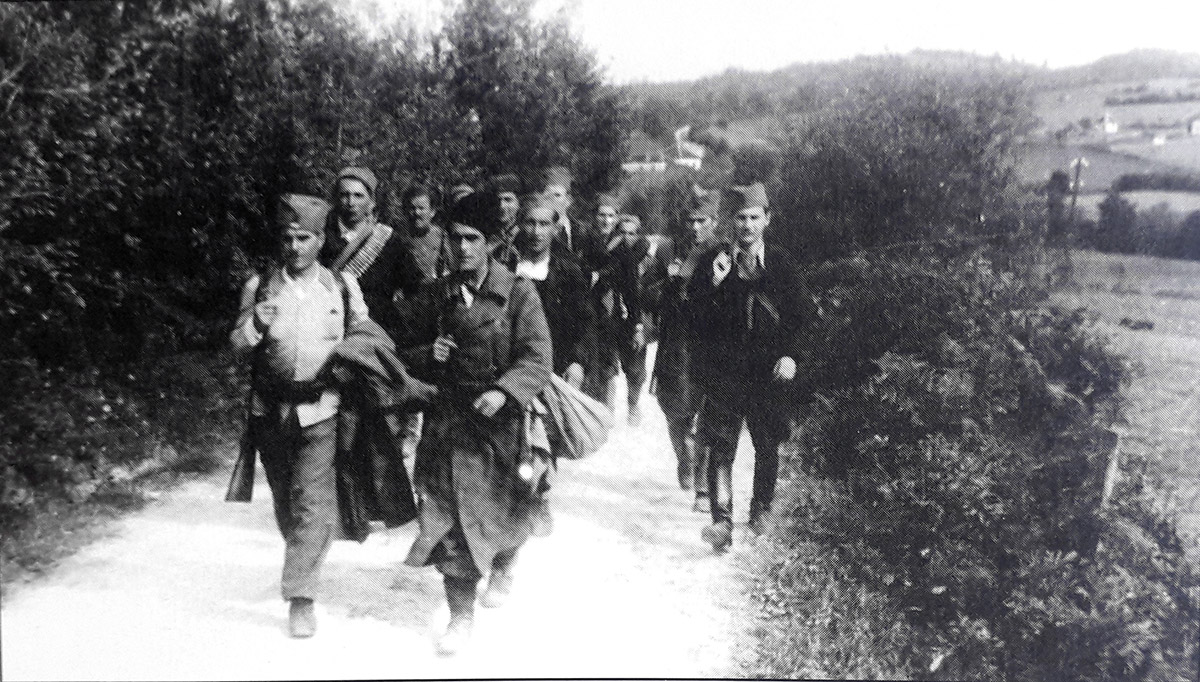
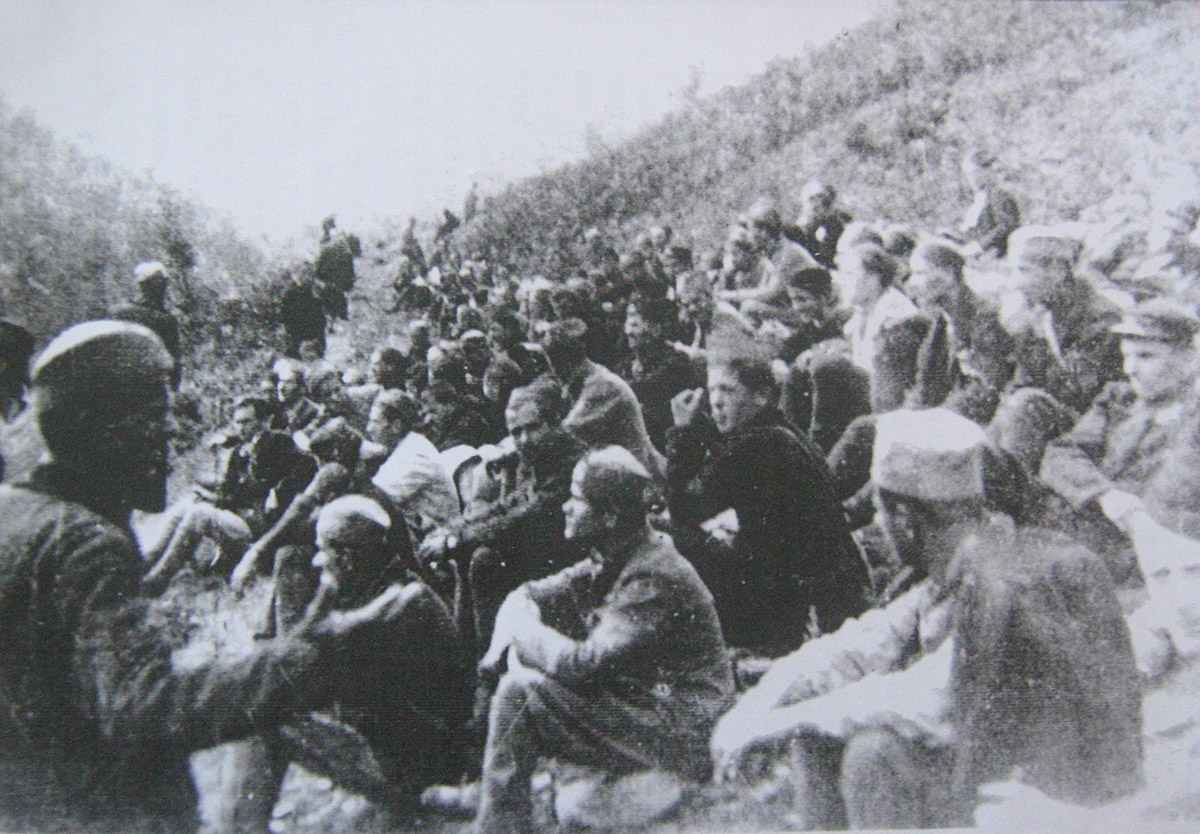
Након пораза у априлском рату и окупације Краљевине Југославије формирају се два покретра отпора: Равногорски и Партизански. Равногорски покрет је формиран од групе официра војске Краљевине Југославије. Они су на Равној гори, на планини Сувобор, на челу са пуковником Драгославом Дражом Михаиловићем 11. маја 1941. оформили језгро покрета. У току лета створене су војне формације. Михаиловић је основао Команду четничких одреда Југословенске војске у отаџбини. Крајем августа основан је Централни национални комитет, као политичко крило Равногорског покрета. Покрет je имао наклоност југословенске и свих савезничких влада. Циљ покрета био је очување парламентарне монархије, хомогенизација српског народа и његово уједињење. Михаиловић је истицао штетност преурањеног устанка све док савезници не предузму коначну офанзиву за сламање фашизма. Комунистичка партије Југославије, под вођством Јосипа Броза Тита, огласила се прогласима у којима је истакла начин борбе против окупатора. У мају су организовани војни комитети (комисије) при ЦК КПЈ и ПК КПЈ за Србију. Одлуком од 4. јула 1941. опредељена је офанзивна стратегија НОП-а (Народноослободилачки покрет), са партизанским обликом оружане борбе. Покрет је имао за циљ, поред борбе за ослобођење земље од стране окупације и домаћих колаборациониста и покретање револуционарне промене власти, организацију југословенске државе на федералним принципима уз истицање националне равноправности под паролом братства и јединства. Following the defeat in the April War and the occupation of the Kingdom of Yugoslavia, two resistance movements were formed: the Ravna Gora Movement and the Partisan Movement. The Ravna Gora Movement was formed by a group of officers from the army of the Kingdom of Yugoslavia. On May 11, 1941, they established the core of the movement on Ravna Gora, on Mount Suvobor, led by Colonel Dragoslav Draža Mihailović. During the summer, military formations were created. Mihailović founded the Command of the Chetnik Detachments of the Yugoslav Army in the Homeland. At the end of August, the Central National Committee was established as the political wing of the Ravna Gora Movement. The movement had the support of the Yugoslav government-in-exile and all Allied governments. The goal of the movement was the preservation of the parliamentary monarchy, the homogenization of the Serbian people, and their unification. Mihailović emphasized the harm of a premature uprising until the Allies launched a final offensive to defeat fascism. The Communist Party of Yugoslavia, under the leadership of Josip Broz Tito, issued proclamations outlining the method of struggle against the occupiers. In May, military committees (commissions) were organized within the Central Committee of the CPY and the Provincial Committee of the CPY for Serbia. By a decision made on July 4, 1941, an offensive strategy was adopted by the National Liberation Movement (NOP), with the partisan form of armed struggle. In addition to the fight to liberate the country from foreign occupation and domestic collaborators, the movement also aimed to launch a revolutionary change of government, reorganize the Yugoslav state on federal principles, and promote national equality under the slogan "Brotherhood and Unity."
Мултимедија Multimedia